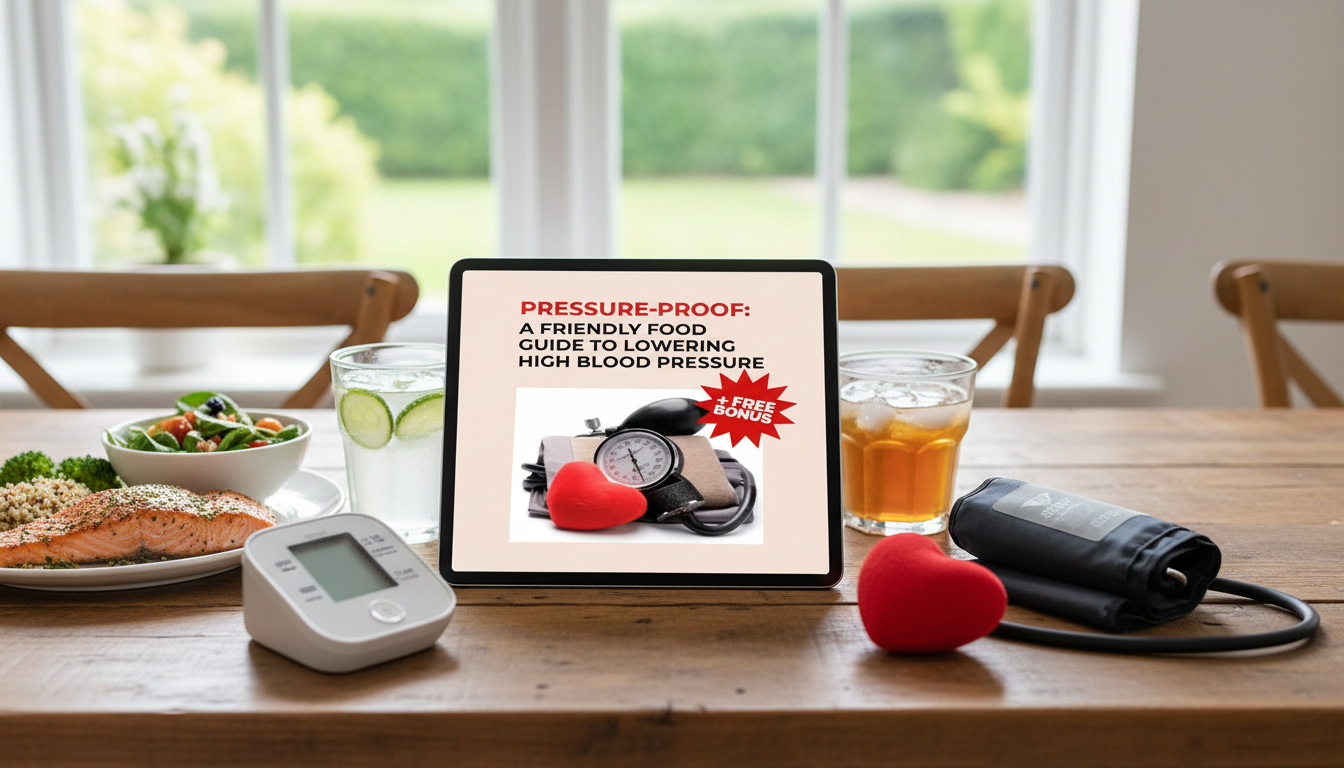
High blood pressure is often shaped by everyday choices—especially what ends up on the plate. A food-first approach doesn’t have to feel strict or confusing: small, repeatable meals built around fruits, vegetables, whole grains, beans, lean proteins, and lower-sodium flavor can add up fast. This guide breaks down what to eat, what to limit, and how to build a simple routine that supports healthier numbers over time—without giving up enjoyment.
Blood pressure responds to patterns, not one “perfect” meal. Sodium intake, potassium-rich foods, fiber, body weight changes, alcohol, and ultra-processed foods can all nudge readings up or down over time.
One of the most reliable eating styles for many people is the DASH approach (Dietary Approaches to Stop Hypertension): higher in produce and low-fat dairy, moderate in whole grains and lean proteins, and lower in sodium, added sugars, and saturated fat. The National Heart, Lung, and Blood Institute provides a helpful overview of the plan here: NHLBI — DASH Eating Plan.
Consistency matters more than perfection. Repeating a short list of meals can make it easier to stay within your targets even on busy weeks. Food changes tend to work best alongside regular activity, solid sleep, stress management, and taking prescribed medications as directed.
A practical DASH-style plate is built around foods that naturally bring fiber and minerals while keeping sodium and saturated fat in check.
When decisions feel exhausting, use a repeatable template. It keeps meals balanced and makes it easier to adjust portions without re-learning nutrition from scratch.
| Vegetables (1/2 plate) | Protein (1/4 plate) | Whole grain/starch (1/4 plate) | Flavor boosters (low-sodium) |
|---|---|---|---|
| Roasted broccoli + side salad | Salmon or canned no-salt-added tuna | Quinoa | Lemon, dill, black pepper |
| Sautéed peppers, onions, spinach | Black beans | Brown rice | Cumin, lime, cilantro |
| Cucumber-tomato salad + steamed green beans | Grilled chicken | Sweet potato | Garlic, paprika, vinegar |
| Mixed vegetables in a skillet | Tofu or lentils | Whole-wheat noodles | Ginger, sesame, low-sodium soy alternative |
| Vegetable soup (no-salt-added base) | Turkey or chickpeas | Whole-grain bread | Bay leaf, oregano, parsley |
If you want a clear plan rather than scattered tips, Pressure-Proof: A Friendly Food Guide to Lowering High Blood Pressure is designed to make DASH-style eating feel doable, not intimidating. It focuses on practical meals and repeatable routines that reduce decision fatigue and support lower-sodium, higher-produce eating long-term.
Helpful pairings for the routine: comfortable gear that makes walking easier to stick with, plus simple everyday basics you’ll actually use. If you’re refreshing your movement setup, consider New Balance 2002 Mule Grey Leather Sneakers for an easy on-and-go option, and for a clean everyday staple, Dolce & Gabbana GOLD Slim Fit White Cotton Shirt.
Some people notice improvements within a few weeks, especially after reducing sodium and following a DASH-style pattern. Results vary based on starting blood pressure, medications, weight changes, and how consistently the new routine is followed; tracking readings at home and checking in with a clinician helps.
Potassium can support healthy blood pressure by helping balance sodium, and foods like fruits, vegetables, beans, and dairy can be good sources. If you have kidney disease or take certain medications, ask a clinician before significantly increasing potassium intake.
DASH is one of the most well-supported eating patterns for lowering blood pressure, and many people do well with it. Mediterranean-style patterns can also help; the common thread is more plants and fiber, less sodium and ultra-processed food, and habits you can sustain.






Leave a comment