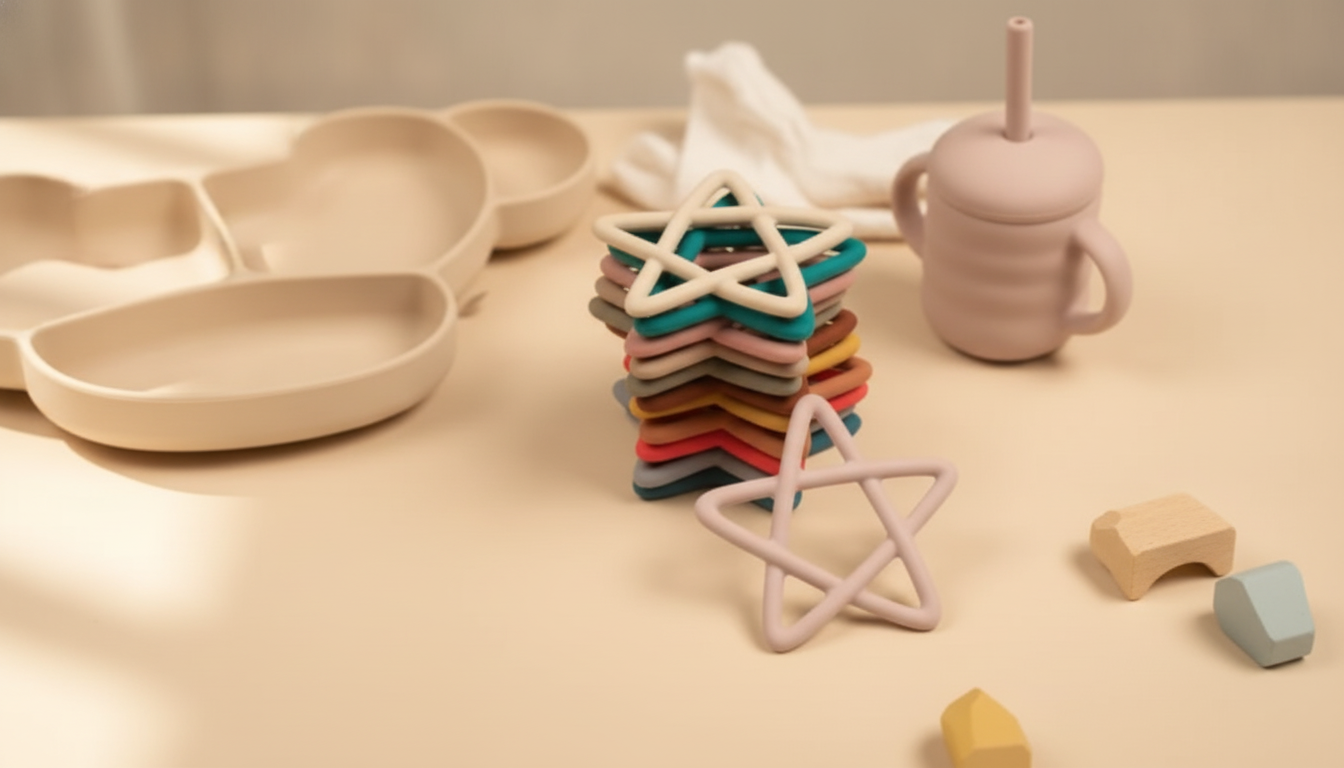
Teething can make toddlers restless, fussy, and eager to chew on anything within reach. A soft silicone teether offers a safer, more comfortable option that supports sore gums while encouraging sensory exploration and independent soothing. Below are practical tips on what to look for, how to use teethers safely, and how to keep them clean so they’re ready for everyday use.
When new teeth are pushing through, toddlers often crave steady pressure on their gums. Soft silicone is popular because it balances comfort with chewability, helping little ones get relief without gnawing on hard household objects.
For general guidance on what’s normal (and what isn’t) during teething, see the American Academy of Pediatrics resource on teething and tooth care.
“BPA free” means the product is made without bisphenol A (BPA), a chemical that was historically used in some plastics. Many parents prefer BPA-free toddler chew toys as part of a broader effort to choose materials designed for frequent mouthing.
For background on BPA and current safety information, the U.S. Food & Drug Administration maintains an overview of BPA use in food-contact applications.
Not all teethers feel the same in a toddler’s mouth. Comfort comes from a mix of shape, texture, and firmness—plus how easy it is to grab and keep clean.
| Feature | Why it helps | What to watch for |
|---|---|---|
| Soft, flexible silicone | Cushions sore gums | Discard if torn or sticky |
| Easy-grip design | Supports independent soothing | Avoid tiny parts or removable pieces |
| Textured surface | Adds sensory interest and varied pressure | Deep grooves can be harder to clean |
| Appropriate size | Reduces choking risk | Too small can slip too far into the mouth |
Even a well-made teether should be used with simple safety habits. Toddlers can be determined chewers, and a quick check before each use helps prevent avoidable issues.
For broader safety reminders, the CDC shares practical information on choking hazards and prevention.
Silicone is generally easy to maintain, but consistent cleaning matters because teethers get dropped, pocketed, and used repeatedly throughout the day.
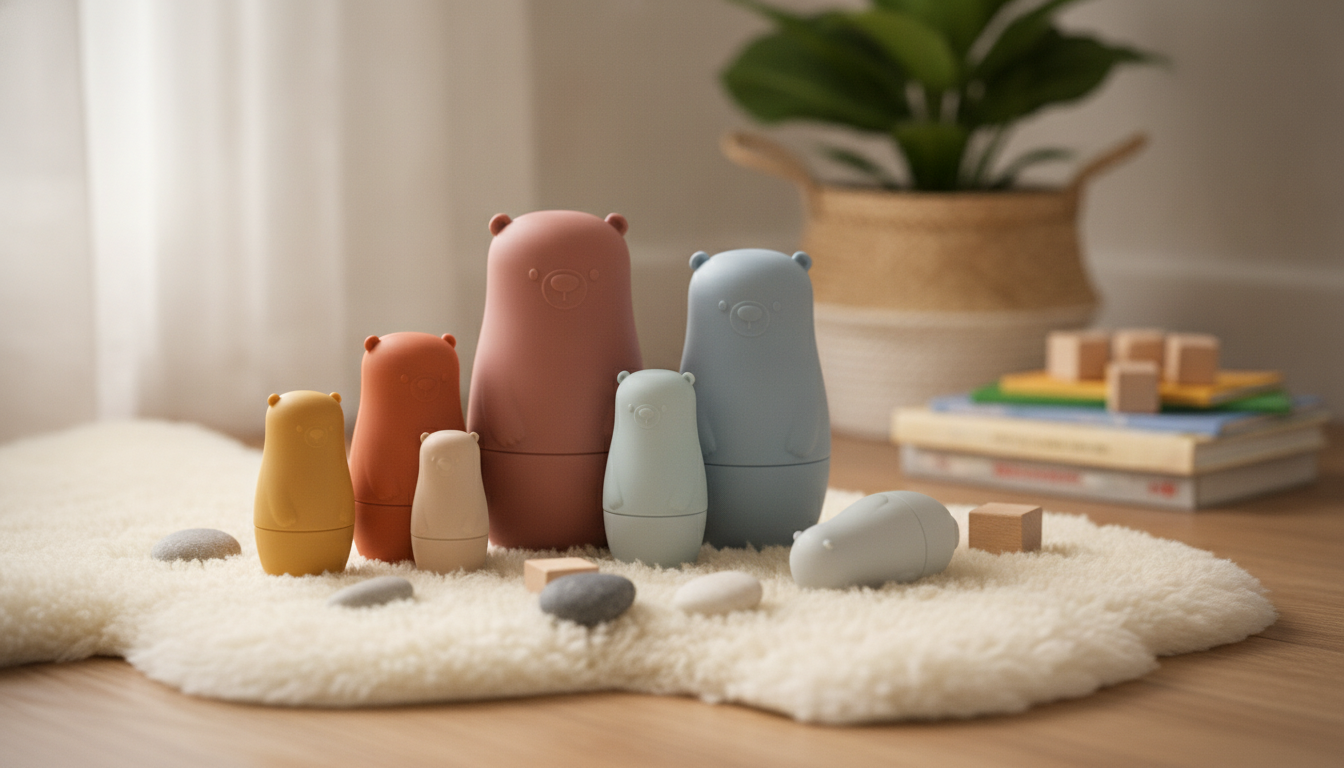
If you want a straightforward, everyday teething helper, Soft Silicone Teether Toys for Toddlers – BPA Free is designed as a soft silicone chew toy intended for teething comfort and soothing. The BPA-free material choice supports safer mouthing for toddlers, and a simple, lightweight design can be convenient at home, in the stroller, or while traveling. For the most accurate details, check the product listing photos, specifications, and current availability before ordering.
| Item | Price | Availability |
|---|---|---|
| Soft Silicone Teether Toys for Toddlers – BPA Free | USD 3.88 | In stock |
Many toddlers naturally use teethers less once the toughest teething phases (often including molars) pass, but timelines vary. Stop using any teether that shows wear, and consider shifting toward age-appropriate oral routines like brushing and chewy snacks that match your child’s developmental stage.
Yes—chilling in the refrigerator is commonly used, since it cools without making the teether overly hard. Avoid freezing unless the product specifically allows it, and always clean the teether after use and wipe away condensation before handing it back.
Replace it immediately if you see tears, cracks, stickiness, discoloration, or if an odor persists after washing. Replacement timing depends on chewing intensity and cleaning habits, but frequent inspection helps you swap it out before it becomes a problem.


Leave a comment