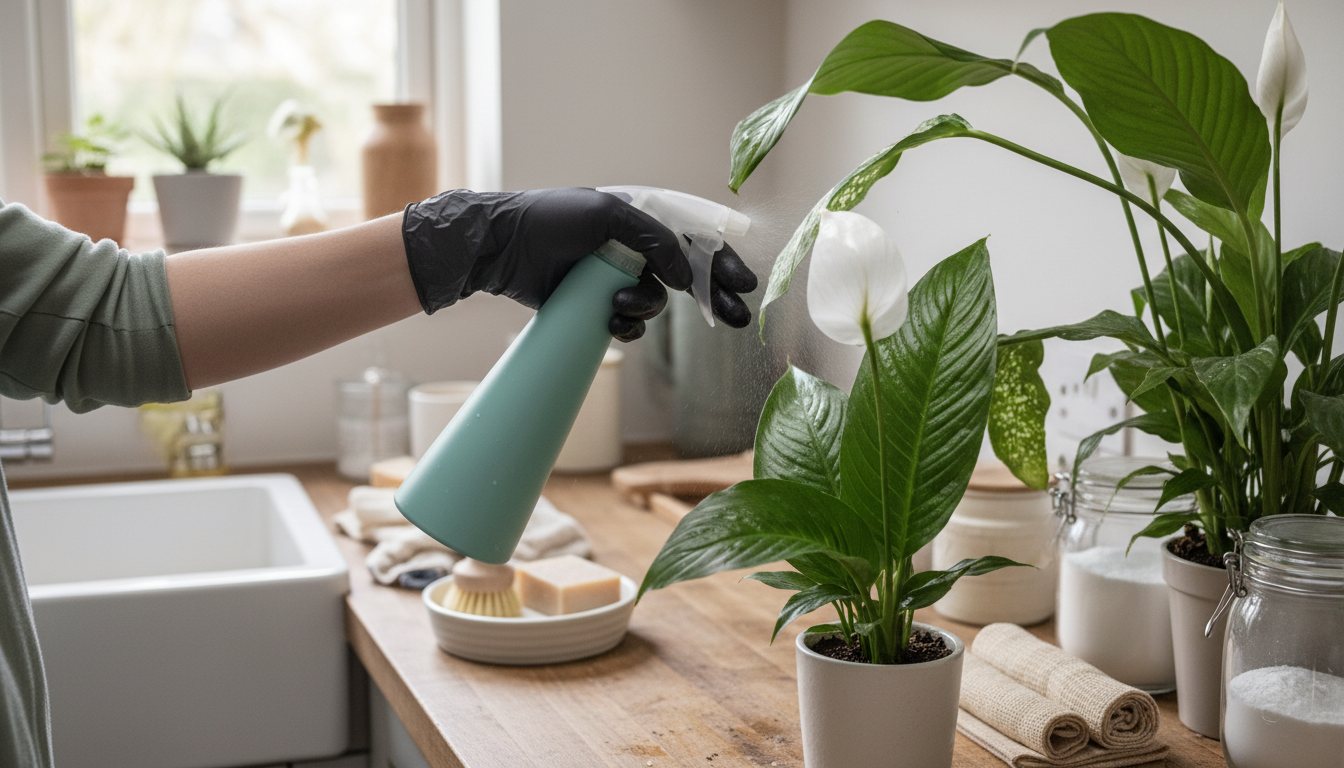
A greener home doesn’t require perfection or a cupboard full of specialty products. Small, repeatable habits—using fewer ingredients, choosing safer formulas, and cleaning with intention—can reduce waste, improve indoor air quality, and still keep every room reliably clean. The goal is a simple system that’s easy to maintain, even on busy weeks, without constantly buying new disposables or half-used bottles.
Sustainable cleaning is less about “perfect” products and more about practical decisions that add up over time. A realistic approach usually includes:
When comparing products, it helps to look for credible third-party guidance rather than vague “eco” claims. For example, the U.S. EPA Safer Choice program lists products that meet specific safety criteria.
A streamlined kit reduces clutter and makes it easier to clean on autopilot. Start with a few tools you’ll actually use and maintain.
Avoid “duplicate products” that do the same job (multiple scented sprays or separate cleaners for every surface). One reliable all-purpose option plus a couple targeted products is usually enough. Choose durable items designed to last—sturdy containers, cloths that survive hundreds of wash cycles, and tools with replaceable parts.
Small resets prevent the need for major scrubbing sessions. The key is to keep the steps short and repeatable.
For food-contact surfaces, routine cleaning is often enough; sanitizing is a separate step used when needed. The U.S. FDA guidance on cleaning and sanitizing in the kitchen is a helpful reference for safe routines.
Longer-lasting clothing and textiles also support lower-waste living. Breathable cotton items tend to handle repeated washing well, such as the Baby Girl Summer Cotton Dress with Flying Sleeves and the Dolce & Gabbana GOLD Slim Fit White Cotton Shirt.
For settings affected by illness, the CDC’s cleaning and disinfecting guidance outlines when disinfection is appropriate and how to do it safely.
| Common habit | Lower-waste alternative | Best use |
|---|---|---|
| Disposable wipes for counters | Washable cloth + all-purpose spray | Daily kitchen and table wipe-downs |
| Paper towels for most jobs | Cloth stack + small basket for used cloths | Spills, dusting, mirrors (with a dedicated cloth) |
| Multiple specialty sprays | One all-purpose cleaner + targeted products only when needed | Most surfaces; keep specialty items minimal |
| Plastic spray bottles replaced often | Refillable bottle with concentrate/refill | High-frequency sprays like all-purpose or glass cleaner |
| Single-use mop pads | Washable mop head | Weekly floor cleaning and spot mopping |
For households with pets or lots of foot traffic, durable shoes that clean up easily can also help limit what gets tracked in. The New Balance 2002 Mule Grey Leather Sneakers are one example of a wipe-friendly leather option.
For a more structured, step-by-step plan, EcoClean: Smarter, Greener Home Habits eBook is designed to turn sustainable cleaning ideas into repeatable routines that fit real schedules. It focuses on simplifying product choices, reducing clutter, and building a room-by-room system that stays manageable with small, consistent steps.
Cleaning removes dirt and germs from surfaces, while disinfecting uses chemicals to kill germs. Many everyday situations only need cleaning with soap and water, but disinfectants are helpful for high-touch areas during illness—always follow label directions and ventilate the room.
Washable cotton or microfiber cloths work for most jobs; color-coding helps keep kitchen and bathroom cloths separate. Store used cloths in a small open bin or washable bag, then launder regularly (and let them dry fully between uses to prevent odor).
Buying fewer products, choosing concentrates or refills, and replacing disposables with reusables reduces repeat purchases. Quick maintenance also prevents buildup that can damage finishes or require stronger products and more elbow grease later.





Leave a comment